 Se Habla Español!
Why Manufactured Homes?
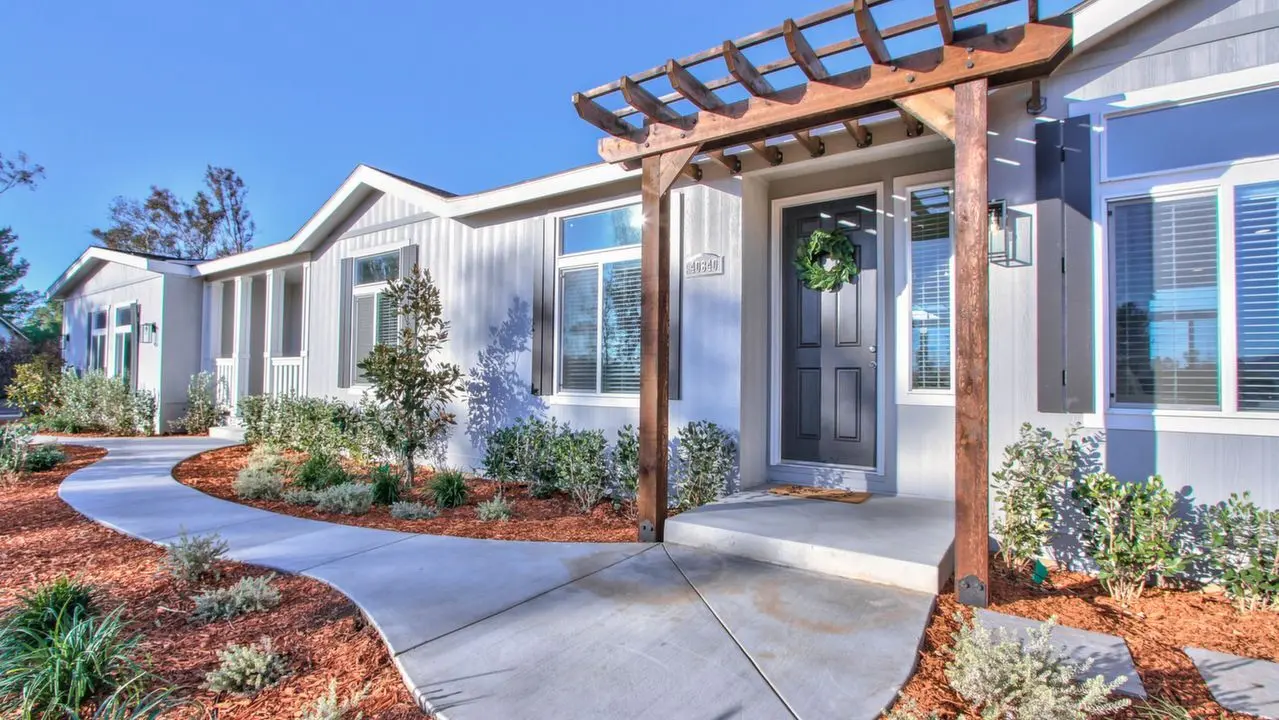
Manufactured homes offer a multitude of economic and quality benefits when compared to stick built homes. However, there are many misconceptions in the marketplace about what constitutes a manufactured home, and how manufactured homes compare to traditional stick built homes in construction materials, government inspection criteria and price.
Click on any of the links below for more information on what you can expect from a quality manufactured home in the 21st century, and how the industry and respective companies such as Ma Williams strive to achieve excellence with every home we supply.
- What is a Manufactured Home?
- What is the Downside to Manufactured Homes?
- What Financing is Available for Manufactured Homes
- Quality Construction and Technological Advances
- Inspections/Enforcement
- Benefits of HUD Code with Building Departments
- Pricing Compared to Stick Built Homes
What is a Manufactured Home?
When building a custom home, it is helpful to understand why manufactured homes may be a better alternative when compared to stick built homes; but first we need to define WHAT A MANUFACTURED HOME IS.
The manufactured home is constructed to comply with the preemptive National Manufactured Home Construction and Safety Standards, a uniform building standard administered and enforced by the U.S. Department of Housing and Urban Development (HUD Code), which supersedes all local building codes on the home itself.
Manufactured Homes are NOT the same as Mobile homes. Mobile homes have not been constructed since June 15, 1976 at which time the federal preemptive HUD Code took effect.
What is the Downside to Manufactured Homes?
Since the Mortgage Meltdown and related recession, establishing value has become problematic in all realms of the real estate market.
Although unjustly, Manufactured Homes have taken a harder hit with regards to financing. Fannie Mae and Freddie Mac, who create the guidelines all mainstream mortgage companies are to follow, are charging from 25-50 basis points more (or ¼ to ½ % increases in interest rate) for manufactured home loans.
Financing is also challenging to the industry. These days, all appraisals are being reviewed by the underwriters at the bank level. Manufactured Home appraisals have certain requirements over and above the appraisals for Modular or Stick Built homes. In these cases, if there are not enough comparable sales of manufactured homes that meet the appraisal guidelines, it may be necessary to consider building a modular home built to IBC Code. By doing this, it will reduce the requirements as well as allowing stick built comps to be used to establish value.
What Financing is Available for Manufactured Homes
There are still many types of financing available for manufactured homes if values support an appraisal for the lender. We have lenders who provide FHA, conventional, and VA loans, to name a few. We also have lenders who offer both conventional, VA and FHA construction loans for a land home package.
As mentioned previously, appraisals for manufactured homes require two comparable sales for value. However, using stick built comparables in addition to the two manufactured homes required is also acceptable to determine an accurate value.
Manufactured homes placed on permanent foundations become part of the real estate and therefore as the surrounding area adjusts with the market, so will the manufactured and land package. Although values at times decrease, such as in the housing market crisis of 2008, real estate over time will appreciate as will a manufactured home placed on a permanent foundation.
Quality Construction and Technological Advances
In the past 30 years manufactured homes have also made huge strides in QUALITY OF CONSTRUCTION AND TECHNOLOGICAL ADVANCES which have significantly improved the manufactured homes of today and thereby increased the number of homes used for private property development.
Today’s manufactured homes have experienced a major evolution in the styles and quality of homes being offered. Technological advances are allowing manufactured home builders to offer a much wider variety of architectural and exterior finishes that will suit most any buyer’s dreams, all the while allowing the home to blend in seamlessly into almost any neighborhood. Two-story and single-family attached homes are but two of the new styles being generated by factory-built innovation. As a result, today’s manufactured homes are offering options for the suburban and urban buyers. (See how modular homes are particularly well suited for this market)
At the same time, greater flexibility in the construction process allows for each home to be customized to meet a buyer’s lifestyle and needs. Interior features now include such features as 8-10 foot flat ceilings and ecologically friendly fireplaces to state-of-the-art kitchens and baths, giving the home buyer all the features found in traditional, site-built homes. Enhanced energy efficiency in manufactured homes, achieved with upgraded levels of insulation and more efficient heating and cooling systems, provide another source of savings for homeowners, especially in this era of rising energy costs. Smart buyers are turning to EnergyStar-labeled manufactured homes for substantial savings in heating and cooling their homes.
“Ma” Williams, through Skyline and Silvercrest homes, offer over 200 different floor plans ranging from 500 to over 3,600 square feet. We offer duplex, two story, price conscious, and high end models! Feel free to peruse the floor plans (which include both interior and exterior pictures) we have to offer. (View our models and floor plans)
The majority of the nation’s new homes are still erected at the building site by large and small builders, and technological advances are slow to make their way through this fragmented building community. However, innovative developers have looked toward prefabricated components and subassemblies to better meet the demand for more affordable homes. Among the factors driving home builders to industrialize are: the decline in the number of skilled tradespeople, difficulties with maintaining construction quality, the complex system of regulations that control on-site construction, and the need to construct homes at a competitive price. This is particularly the case with affordable housing, where small changes in price have a huge impact on the financial viability of a project. It is increasingly difficult for the affordable home builder to deliver a quality product without having some, if not most, of the components built off-site.
Along with these pressures, there have also been significant incentives for the HUD-code home industry to produce innovative designs. While in the past, HUD-coded homes have developed largely apart from the mainstream home-building industry, this housing type has been increasingly used by on-site developers. As such, manufactured home designs have become more complex and sophisticated to meet the demands of a more affluent customer base.
Inspection/Enforcement
Manufactured Homes tend to have a more stringent INSPECTION/ENFORCEMENT process than stick built homes do.
It can generally be acknowledged that a building code is only as good as the enforcement system that accompanies it. The manufactured home enforcement program required by the HUD is a thorough and efficient system designed specifically for the factory production environment. Uniformity and consistency can be maintained better in the HUD enforcement system because of two key factors. First, the inspections take place in the factory, during each phase of construction, and follow behind the manufacturer’s own in-plant inspection and quality assurance teams. This allows for more thoroughness, since time is spent inspecting homes rather than traveling to inspection sites. Efficiency is increased because travel time is limited and necessary paperwork is minimized. Second, consistency is maintained because fewer people inspect more homes. The enforcement procedure is much less susceptible to individual interpretations, as would be the case with on-site inspections in every jurisdiction across the country.
Benefits of HUD Code with Building Departments
The benefits of the HUD CODE are numerous! The quality of construction has significantly improved. The HUD Code allows for a more lenient process for obtaining permits from your local building department. As a HUD approved home, the entire plan approval process is bypassed because a manufactured home has already been approved by a Federal Agency which supersedes any local jurisdiction.
The federal standards regulate manufactured housing design and construction, strength and durability, transportability, fire resistance, energy efficiency and quality. The HUD Code also sets performance standards for the heating, plumbing, air conditioning, thermal and electrical systems. It is the only federally-regulated national building code. On-site additions, such as garages, decks and porches, often add to the attractiveness of manufactured homes and must be built to local, state or regional building codes.
Pricing Compared to Stick Built Homes
Manufactured homes are built with the same materials as a stick built home, and endure a more stringent inspection process to assure a high quality construction, which offers the same or more technological advances to improve the functionality, esthetics, and efficiencies of the home.The best part is that all of these benefits come at PRICES UP TO 45 PERCENT LESS per square foot than a newly constructed traditional site-built home.
Technological advances, evolutionary designs, and a focus on delivering quality homes that families can afford are the driving forces within the manufactured housing industry. That’s why more people are turning to manufactured housing to deliver homes that fit their needs and wants, at prices they can afford!
The affordability of manufactured housing can be attributed directly to the efficiencies emanating from the factory-building process. The controlled construction environment and assembly-line techniques remove many of the problems encountered during traditional home construction, such as poor weather, theft, vandalism, damage to building products and materials, and unskilled labor. Factory employees are trained and managed more effectively and efficiently than the system of contracted labor employed by the site-built home construction industry.
Much like other assembly-line operations, manufactured homes benefit from the economics of scale resulting from purchasing large quantities of materials, products and appliances. Manufactured home builders are able to negotiate substantial savings on many components used in building a home, with these savings passed on directly to the homebuyer.
There are also Green (earth friendly) Benefits that come from building a home in a factory environment. Prefabrication techniques reduce waste, offer energy-saving designs and improve manufacturing and construction efficiencies.
Time savings is also an advantage with factory production. Custom Manufactured Homes placed on private property will normally have a 3-6 month timeframe depending on the process. The main time benefits with manufactured homes are the pre-emptive HUD Code as well as being able to complete both construction on site and the home in the factory simultaneously. The HUD code allows for homes to be streamlined through plan check at the building department; these homes are federally approved which supersedes local building jurisdictions. This timeframe would include obtaining financing, permits, factory production time, and on site completion.
“Ma” Williams has enjoyed being in business for over 40 years! We have a reputation for treating customer’s right and being a reputable dealership! For these reasons and others, we have the distinct option to sell homes built by the best factories in the industry and we are proud to offer Silvercrest and Skyline Homes!
The Silvercrest and Skyline Homes are known in the industry as the most custom designed and residential looking homes available today. They are also engineered with the most cutting edge features and green designs on the market today!
The Skyline Home in a word is VALUE! The quality and price of the home they build has not been matched by any other factory! And for service there’s no one better! Skyline through consumer satisfaction indexes are compared to “service focused” companies such as Honda and Dell Computers, just to name a few.